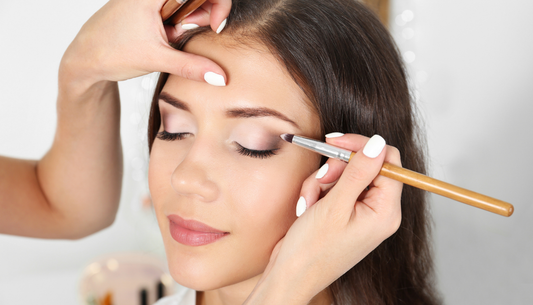
How to blend eyeshadow like a pro if you have sensitive eyes?
If you have sensitive eyes, using eyeshadow can be tricky. But, with the right approach, you can achieve a soft, natural look. This involves reducing friction, applying thin layers, and aiming for a light finish.

Choosing the right products is important. But, technique is just as key. Start with gentle dabbing, not swiping. This method helps avoid irritation and ensures a smooth application.
Blink Key is a brand that focuses on natural beauty. They offer a gentle formula for sensitive eyes. Their products aim to bring back a fresh, natural look.
Next, we'll explore what can irritate sensitive eyes. We'll also discuss how to pick breathable eyeshadows and prep without pulling. Then, we'll dive into blending techniques for a smooth finish. We'll also share tips for wearing and removing eyeshadow without causing irritation.
Why sensitive eyes react to eyeshadow and blending
If your eyes sting or water when you blend shadow, it's often the skin, not your skill. The eye area has less padding and fewer oil glands, so it dries out fast. For sensitive eyes, even a soft brush can feel like friction.
A sensitive skin-friendly routine starts with choosing textures that sit lightly on the lid. A gentle formula and a breathable formula can reduce that tight, scratchy feeling while you work. This makes it easier to build a seamless eye look without going back and forth too much.

Why the eye area is more reactive than the rest of the face
The skin around the eyes is some of the thinnest on the body. It reacts quickly to pigments, preservatives, and fragrance, when the barrier is dry. Add repeated blending, and the extra rubbing can trigger redness.
Non-irritating makeup helps, but technique is key. Heavy pressure can push particles into the lash line and cause discomfort. A lighter touch keeps the lid calm and the finish smoother.
Common signs your eyes are sensitive to makeup
Sensitivity is not always dramatic. It can show up as itching, redness, puffiness, or flaky patches on the lid. Some people notice more watering than usual or a gritty feeling after application.
- Stinging during blending, even with small amounts of product
- Watery eyes that start soon after you apply shadow
- Swelling or creasing that appears with irritation, not just wear
External triggers that can worsen irritation during wear
Even a well-chosen palette can feel worse on a tough day. Wind, dust, and pollen can make eyes water, which then breaks down shadow and spreads it. Bright light can also increase squinting, which adds movement and rubs product into the skin.
That is why a breathable formula can feel more comfortable over hours. It also helps to avoid over-blending, as repeated passes raise friction and heat. When you keep contact light, non-irritating makeup performs better and stays more even.
Non-irritating makeup, Breathable eyeshadow, Gentle formula for sensitive eyes
If your lids sting or water, choosing the right makeup is key. Look for non-irritating makeup that doesn't cling or crumble. A gentle formula means you can blend easily without rubbing.

Ingredients to avoid if your eyes are prone to stinging or watering
Check the label for a simple list of ingredients. Many reactions come from additives, not the pigment itself. A shorter list is often better for sensitive eyes.
- Fragrance, including parfum and some essential oils, which can trigger watering and redness.
- Parabens and phthalates, used in some products to preserve texture or improve wear.
- Harsh cleansing agents such as sulphates, which can leave the eye area feeling dry and reactive.
Even with “hypoallergenic” claims, be gentle when applying. Soft dabbing and light pressure help protect sensitive eyes.
What to look for in a sensitive skin-friendly, breathable formula
Choose makeup that's clear about what it avoids. Look for “free from” statements and prefer plant-based ingredients.
- Claims that it is suitable for sensitive skin and eyes, with a gentle formula for sensitive eyes.
- A breathable formula that layers smoothly, so you can build colour without repeated scrubbing.
- Finely milled powders that blend fast, which supports a lighter touch and less fallout.
Blink Key's approach is also helpful. Comfort and a light feel make blending easier to control.
Why lightweight eye makeup helps prevent a heavy or cakey feel
Less makeup means less irritation. Lightweight makeup lets you apply thin layers. This prevents over-blending and stress on the lid.
When shadow stays breathable, it looks clean and not heavy. A few layers can give definition without discomfort.
Prep for a seamless eye look without tugging
Good prep is key to soft blending, not scratchy. A calm and smooth lid means less pressure and fewer strokes. This is vital for sensitive eyes, even with gentle products.
Hydrate strategically with eye cream so shadow sits smoothly
Dry patches can make powder cling, leading to tugging. A small amount of eye cream helps shadows blend smoothly. This keeps your look even and your hand light.
Apply it thinly and let it absorb before starting. This ensures your eye look stays smooth without extra layers.
Hygiene essentials: clean brushes, don’t share products, replace eye makeup regularly
Good hygiene prevents irritation and surprises. Use clean brushes, don't share makeup, and replace eye products often. Mascara should be replaced every three months.
- Routine order often looks like: primer, shadows, brushes, lash curler, then mascara.
- Wash eye brushes often to avoid product build-up.
- Keep tools dry and stored well for a sensitive skin-friendly routine.
Professional eyeshadow blending technique for sensitive eyes
If your eyelids sting or water easily, how you blend is key. Professional eyeshadow blending means less rubbing and fewer strokes. You aim for a look that's polished but gentle.
Dab, don’t drag: applying shadow with minimal pressure
Tap the brush softly to apply colour, then lift it. This method places pigment quickly, avoiding the need to rub.
Dragging can irritate the lid and increase redness. For comfort, use a gentle formula for sensitive eyes and apply thinly.
Brush control for professional eyeshadow blending
Use a fluffy brush for blending and a small shader for precision. Hold the brush near the end for control.
Apply short, light strokes where the colour changes. Clean your tools often to avoid irritation and ensure smooth application.
How to build colour gradually for a soft luminous finish
Apply colour in thin layers, pausing between each. This method keeps the lid calm and helps achieve a soft luminous finish without pressure.
Start with a base shade, then deepen with another, and finish with a highlight. This approach creates a light and natural look without heaviness.
Blending edges to seamlessly blend and keep the look light and natural
Leave the centre of the lid untouched after applying pigment. Blend the edges with small circles to seamlessly blend the transition.
Soft edges make the whole look smoother, even with less product. This is ideal for those who prefer breathable eyeshadow for all-day wear.
Blink Key Aurora Light Eyeshadow Palette: breathable eyeshadow that melts effortlessly
When your eyes react fast, the simplest routine is best. The Blink Key Aurora Light Eyeshadow Palette is designed for easy wear. It lets you blend gently and achieve a polished finish.
Brand ethos: Blink Key and “unlocking radiance in a blink”
Blink Key focuses on quick, natural beauty. Their eyeshadows are lightweight and look like your own skin. They're made for all-day comfort.
This approach is great for sensitive eyes. It means less irritation and a consistent look, even when you're in a hurry.
Why the Aurora Light palette suits sensitive eyes (breathable, non-irritating makeup)
The Aurora Light palette is known for its light feel on the lid. It's perfect for those who want makeup that's comfortable. It's easy to apply and doesn't fall off easily.
Use a dab-first method and blend quickly. This reduces rubbing, which can irritate sensitive eyes.
Silky texture and advanced texture: how it supports effortless blending
The palette has a silky and advanced texture. This makes blending easy with a brush. The eyeshadow melts well, allowing for smooth edges without hard rubbing.
This makes blending simple: just place, tap, and feather out. You get a smooth look with less pressure on your skin.
Using finely milled mattes for everyday natural makeup and soft luminous eye looks
Finely milled mattes are great for everyday looks. They build up in thin layers. This lets you shape the crease and keep the lid light for a soft look.
- For a calm daytime look: sweep a matte through the crease, then blur the edge once.
- For a brighter finish: add a lighter shade to the centre lid and stop there, to avoid stacking too many products.
How to keep colour vibrant all day without irritation
Long wear should feel gentle on the eyes. A simple routine keeps shades bright without irritation. Choose a breathable formula and lightweight makeup for comfort.
Layering strategy to help shades stay vibrant while feeling breathable
Begin with thin layers and build up slowly. Apply colour in light passes, then softly blend the edges. This avoids scrubbing and irritation.
- Pack the first layer where you want the colour to sit, not sweeping it everywhere.
- Add a second light layer only where fade happens first, usually the centre lid and outer corner.
- Keep creams and powders to a minimum for a breathable and smooth finish.
Reducing fallout and avoiding over-blending (less friction, less sensitivity)
Reducing fallout is key for comfort and looks. Loose particles can irritate the eye, and wind, dust, and allergens can worsen this during the day.
Tap off excess product from the brush before applying. Blend just until the edge looks soft. Avoiding over-blending reduces friction and prevents redness and puffiness.
Placement tips for a soft luminous finish that doesn’t overwhelm the eye area
For a soft look, use deeper tones on the outer third and crease line. Keep the inner lid lighter to open up the eye. This way, you won't need to keep correcting.
If you want more impact, layer shimmer at the centre of the lid. Keep it away from the lash line. This keeps the look polished and vibrant from morning to evening.
Gentle removal and aftercare to prevent sensitivity flare-ups
Removing makeup gently is key to protecting sensitive eyes. If pigment stays in the lash line, it can cause watering and soreness. So, treating removal as part of wearing makeup is essential.
Soak, then lift—don’t scrub. Press them on closed lids and wait a few seconds. This method shifts the shadow gently, reducing irritation on thin eyelid skin.
After removal, rinse with lukewarm water and pat dry with a clean towel. If your eyes feel tight, use a gentle moisturiser that won't sting. Keep your routine simple to keep the skin calm.
Hygiene is also important for sensitive eyes. Replace eye makeup every three months, and never share products. Clean your brushes often to avoid irritation. Using breathable eyeshadow from Blink Key with careful aftercare keeps your eyes comfortable and calm.
FAQ
Why do sensitive eyes react to eyeshadow and blending?
The skin around the eyes is very thin and sensitive. This makes it more likely to react to ingredients and friction. Using the right technique is as important as choosing the right product.
What are the common signs my eyes are sensitive to makeup?
Signs include itchy, red, puffy, or scaly skin after using makeup. You might also notice your eyes watering more. This could mean you're sensitive or allergic to something in the makeup.
What external factors can make irritation worse while I’m wearing eyeshadow?
Light can make the eye area more sensitive. Everyday things like dust, wind, and allergens can also irritate your eyes. This is worse if there's fallout from powder products.
Which ingredients should I avoid if my eyes are prone to stinging or watering?
Avoid parabens, fragrance, and phthalates if your eyes are sensitive. These can cause stinging, watering, or a reaction, which is bad for thin eyelid skin.
What should I look for in a sensitive skin-friendly, breathable eyeshadow formula?
Look for products without parabens and sulphates. Choose ones with plant-based or natural ingredients. Make sure they're safe for sensitive skin and eyes. A breathable formula in thin layers is also key.
Is hypoallergenic eyeshadow enough for sensitive eyes?
Hypoallergenic eyeshadow is a good start for sensitive eyes. But, how you apply it matters too. Use little pressure and dab instead of swipe to avoid irritation.
Why does lightweight eye makeup help prevent a heavy or cakey feel?
Using light eye makeup avoids irritation. It also prevents a heavy, cakey look. This means you don't need to blend as much, which is better for sensitive eyes.
How should I prep my eyes to get a seamless eye look without tugging?
Start with calm, clean skin. This way, eyeshadow applies evenly and you don't need to blend as much. Less blending means less tugging, which is good for sensitive eyelids.
What’s the gentlest way to remove old eye makeup before I apply new shadow?
Removing old eye makeup gently is key to avoid irritation. Use a gentle cleanse that removes makeup without rubbing. This protects thin, reactive eyelid skin.
Should I use an eye cream before eyeshadow if I have sensitive eyes?
Yes, hydrating before eyeshadow helps it sit smoothly. This reduces the need for repeated blending. The tutorial includes using Tatcha The Silk Peony Melting Eye Cream.
What hygiene rules reduce irritation risk around the eyes?
Replace eye makeup every three months, and never share it. Clean makeup brushes regularly, including eyeshadow brushes. This reduces contamination and sensitivity.
What does “dab, don’t drag” mean for sensitive eyes?
Dabbing means applying pigment with fewer passes and less friction. Dragging can pull on thin eyelid skin and increase irritation. So, dabbing is better for sensitive eyes.
How do I get professional eyeshadow blending without irritating my eyelids?
Keep pressure low and use minimal blending. Focus on short, light strokes at the edges. This way, you can blend professionally without irritating sensitive skin.
How can I build colour without over-blending?
Build colour in thin, breathable layers. Keep your routine simple. Gradual layering helps you reach intensity without pressing hard, for a soft finish.
Where should I blend to keep the look light and natural?
Blend at the boundaries to soften transitions. Keep the centre of the lid less disturbed. This creates a seamless look that's light and natural.
What is Blink Key’s ethos and how does it relate to sensitive eyes?
Blink Key aims to unlock radiance in a blink. It focuses on light, natural beauty products. These are gentle and designed to restore your true spirit, which is good for sensitive eyes.
Why is the Blink Key Aurora Light Eyeshadow Palette positioned for sensitive eyes?
The Blink Key Aurora Palette is for sensitive eyes because it's breathable and non-irritating. It has silky textures that blend seamlessly without heavy tugging.
How does an advanced texture help with irritation-minimising technique?
A silky texture that "melts effortlessly" reduces the need for hard pressing or repeated blending. This is important for thin, reactive eyelid skin.
How do finely milled mattes support everyday natural makeup?
Finely milled mattes blend seamlessly for everyday natural makeup. They help create soft, luminous eye looks without needing multiple products. This keeps the routine breathable and friendly for sensitive skin.
How can I keep colour vibrant all day without irritation?
Use thin layers for a breathable look. Avoid adding too many products at once. A lighter build keeps colour vibrant without feeling heavy, reducing the urge to rub or over-blend.
How do I reduce fallout and avoid triggering watering eyes?
Use minimal product and press (dab) instead of sweeping. This limits loose particles. Less fallout means fewer particles in your eyes, which is better when they're already reactive.
Why is over-blending risky for sensitive eyes?
Over-blending increases friction on delicate skin. Reducing it lowers the risk of redness, puffiness, scaliness, itchiness, and watering during wear.
What placement tips help me keep a soft luminous finish without overwhelming the eye area?
Use deeper tones strategically, focusing on the edges. This keeps the look light and natural. Targeted placement reduces the need for extra blending, supporting a breathable eyeshadow result.
What’s the gentlest way to remove eyeshadow at the end of the day?
Removing eye makeup gently is key to avoid irritation, after all-day wear. Use a gentle method that removes makeup without rubbing, protecting thin, reactive eyelid skin.
How do I prevent sensitivity flare-ups between wears?
Keep aftercare consistent: remove makeup gently, clean brushes regularly, never share products, and replace eye makeup every three months. A light, natural, breathable routine paired with gentle removal supports comfortable wear and maintains a calm eye area.
What does a typical eye routine order include, even when I’m focusing on eyeshadow?
The tutorial includes an eyeshadow primer, brushes, a lash curler, and mascara. It's a helpful reference for routine order, while keeping eyeshadow application breathable and low-friction for sensitive eyes.